Good Morning, San Marcos, Buda & Kyle!

Top Story
Kyle council allows company’s Foreign Trade Zone application to move forward

An advanced materials manufacturer serving the semiconductor industry in Kyle could see significant annual tariff savings after a City Council vote April 7.

The overview: ENF (Kyle) Technology LLC has an active application to designate its Kyle facility, established in 2018, as a Foreign Trade Zone, according to agenda documents. At an April 7 meeting, the City Council approved a letter of no objection in support of the company’s application.

An FTZ is a federally approved area under the U.S. Customs and Border Protection’s supervision but considered outside of the department’s territory. Companies established as an FTZ can import goods without needing to pay tariffs or federal duties until goods enter the U.S. market. Exports from the zone are not taxed.

An FTZ designation would save the company approximately $300,000 in tariff duties each year.

Diving deeper: The company’s FTZ participation could reduce city inventory-related property tax revenues. Staff proposed a Payment in Lieu of Taxes, or PILOT, agreement to ensure Kyle does not lose property tax revenue.

 
on the business beat
Gotji’s Kitchen serves Thai flavors in Buda for fifth year

Established in 2021, the Gotji’s Kitchen team is celebrating five years of business. The Thai food truck is located at Cambria and Jordan’s Rail Switch food park in historic downtown Buda.

The overview: Gotji’s Kitchen serves a variety of dishes from egg rolls to fried rice.

Menu items include:

  • The Best Pad Thai

  • Pork eggrolls

  • Tom kha

  • Bangkok Fried Rice

  • Texas Curry


The menu also features Thai Tea, a sweet black tea drink.

One more thing: Gotji’s also has a Thai and fresh pasta restaurant in Austin, located at 10212 Menchaca Road.

  • 400 Main St., Buda


FOODIE FRIDAY
Check out these new restaurants and bars opening across the Austin area.

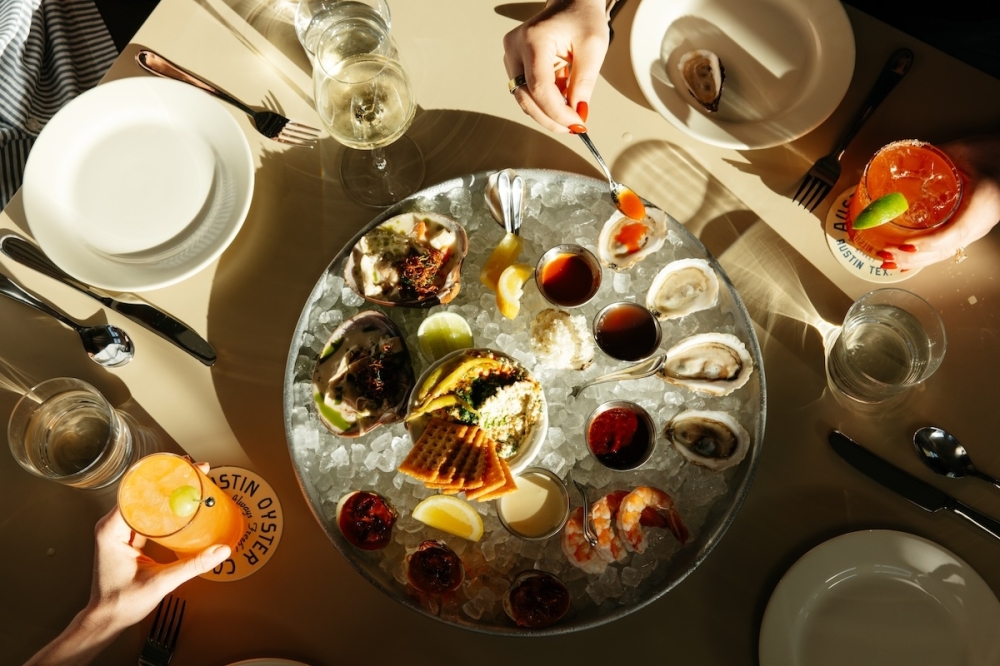
Austin Oyster Co. now offering Maine-grown oysters to East Austin

Austin Oyster Co. now has a brick-and-mortar restaurant in East Austin six years after its founding. It features a raw bar featuring rotating oysters, dressed clams, tuna tartare, shrimp cocktail and curated seafood platters as well as nonseafood dishes. Lone Pine Pearls, oysters harvested from Austin Oyster Co.'s farm in Maine, will be offered at the raw bar when available.


Read now.


🥩 Steak and seafood: LongHorn Steakhouse kicks off Burleson Crossing East openings
(Read more)

🍽️ New Leander restaurant grills up classic Persian, Mediterranean flavors
(Read more)

🦀 Willie’s Grill & Icehouse is now open in Leander
(Read more)

🍗 Halftime Sports Bar & Grill coming this summer to Lakeline Mall
(Read more)


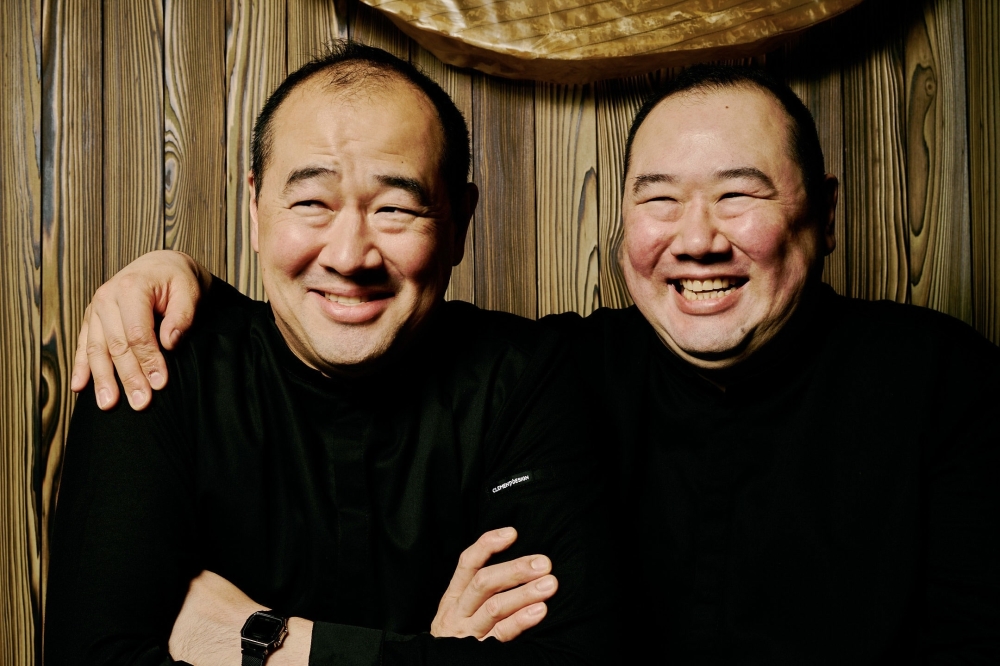
Kappo Kappo blends French and Japanese flavors at omakase dining experience in downtown Austin

Kappo Kappo is a 25-seat omakase restaurant at Austin Proper Hotel created by twin chefs Haru and Gohei Kishi. The brothers blend French and Japanese influences with subtle Texas techniques, shaped by their global culinary experience.

Their concept is rooted in kappo-style dining, where dishes are prepared and served directly in front of guests. The experience is designed to feel personal, conversational and highly seasonal.

The $195 tasting menu includes eight savory courses and three desserts with rotating seasonal ingredients. Guests also receive a small parting gift, or omiyage, that reflects the season and the experience.


Read now.

CI Texas
Texas legislators begin digging into water use, other data center impacts ahead of 2027 session

Texas is home to the nation’s fastest-growing data center market, with one January report projecting that the state will see a 142% increase in its share of the data center industry by the end of 2028.

During a wide-ranging Texas House hearing April 9, lawmakers questioned data center developers, energy companies and state grid officials about the amount of water the large facilities use; how they impact noise levels and air quality; and whether residents can expect higher costs when data centers come to their communities.

What they're saying: “Water is a really scarce resource in this state, and so we have to have a clear picture of what these facilities use on the water side,” said Thomas Gleeson, chair of the Public Utility Commission of Texas.

More details: Data centers use water to cool their computer servers and prevent overheating. The facilities have historically used a water-intensive process known as "evaporative cooling," but data center executives said April 9 that they have transitioned to “closed-loop” systems where water is continuously reused.


Your local team

Amanda Cutshall
Editor

Leslie Bradshaw
General Manager

Email [email protected] for story ideas, tips or questions.

Keep Reading